Top Walk-In Shower Contractors Near You
Enter your ZIP Code to get matched with the top professionals near you.

Free, no-obligation estimates.
Enter your ZIP Code to get matched with the top professionals near you.
Free, no-obligation estimates.
You will be surprised how affordable it can be.
 Available in most StatesCompetitive local pricingLifetime of independent livingShower seated or standingMultiple grab bar optionsSuperior style and comfort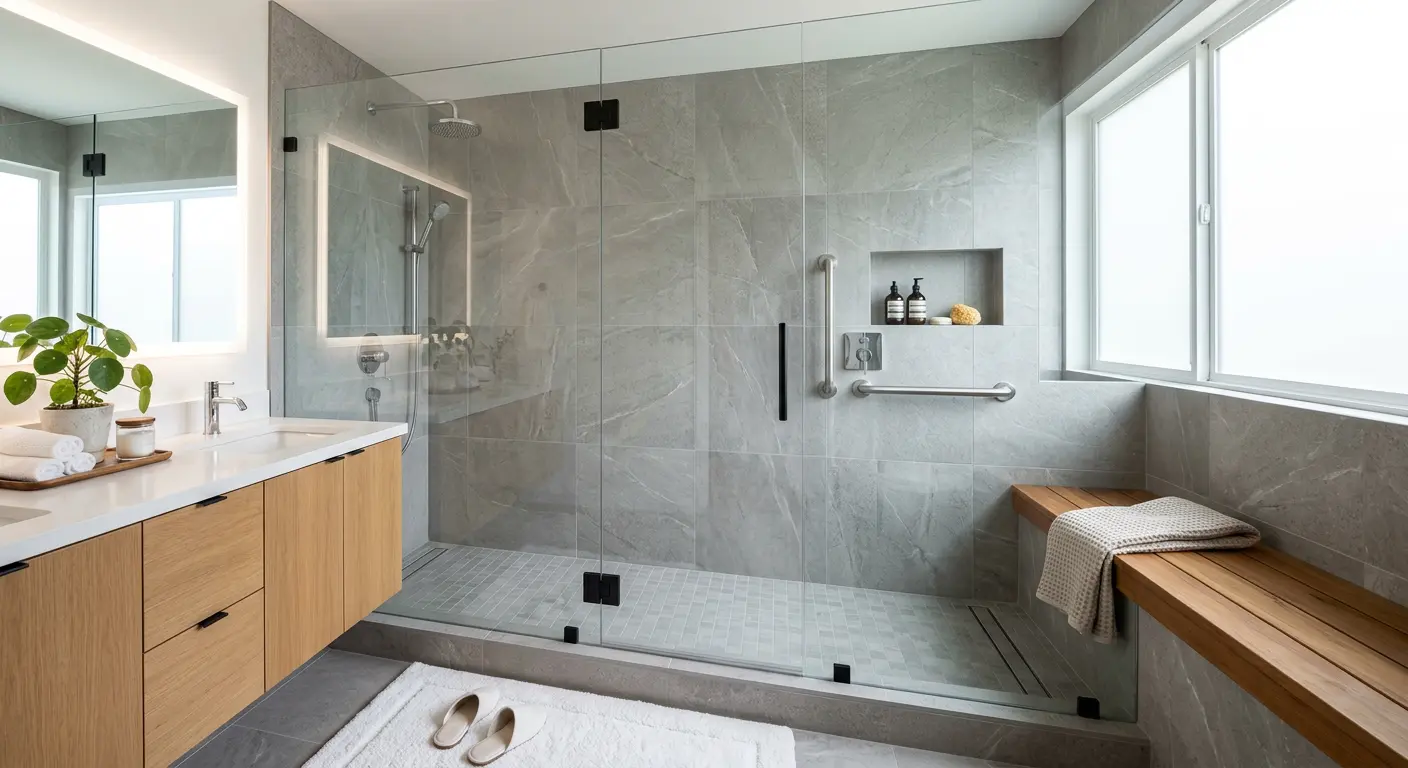
Walk-in showers are ergonomically designed for safe, easy use. They are ideally created for those with limited mobility. These walk-in showers feature the latest innovations like:
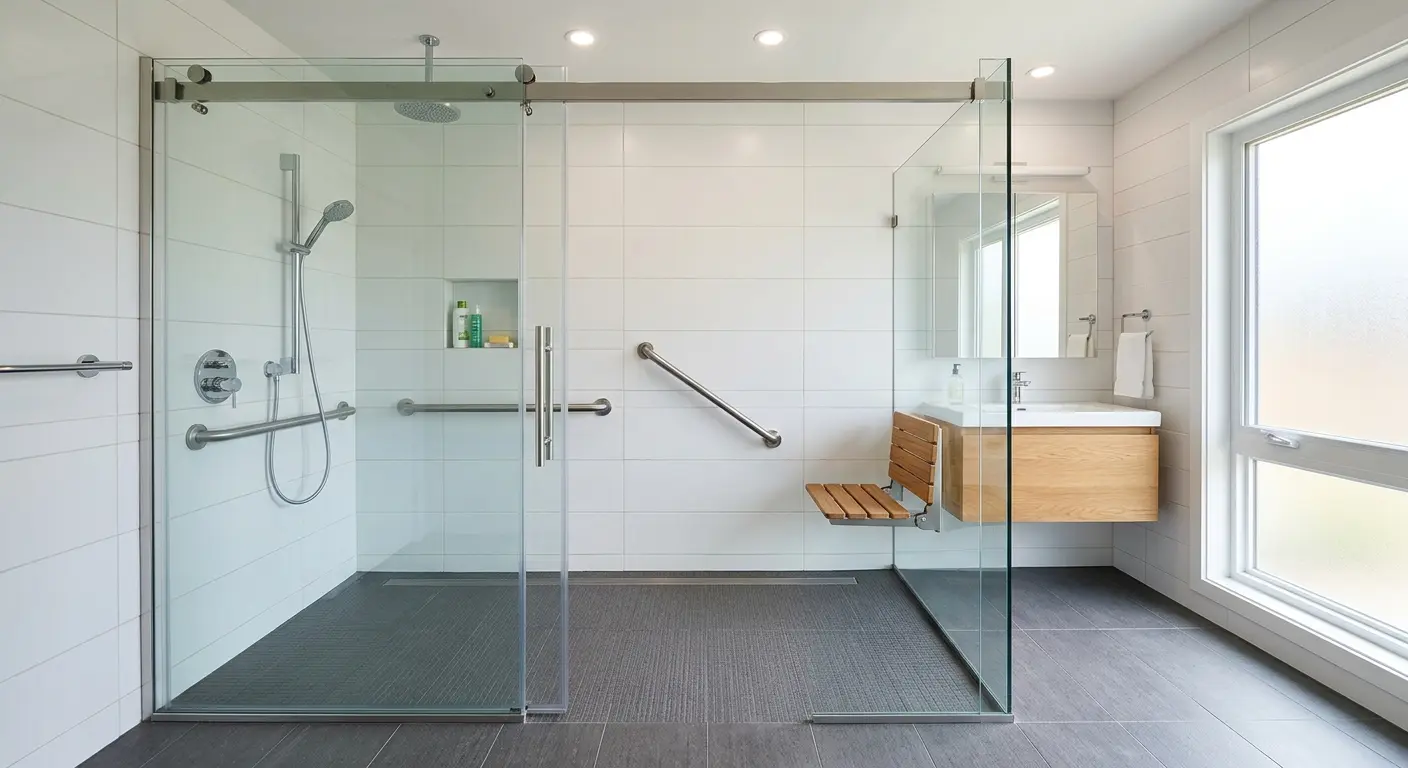
Features a low-entry design for easy access, ideal for wheelchair users.
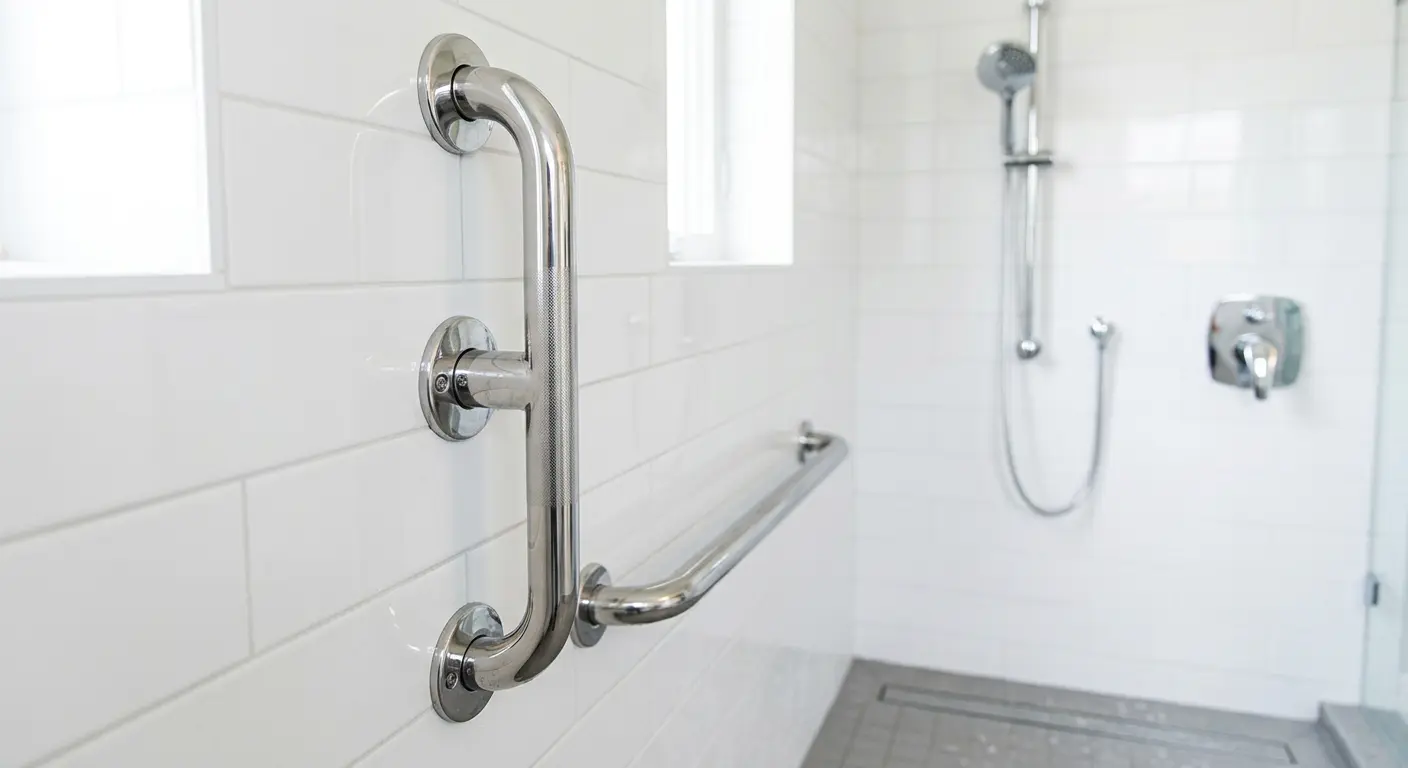
Provides stability and support with ergonomically designed handrails.
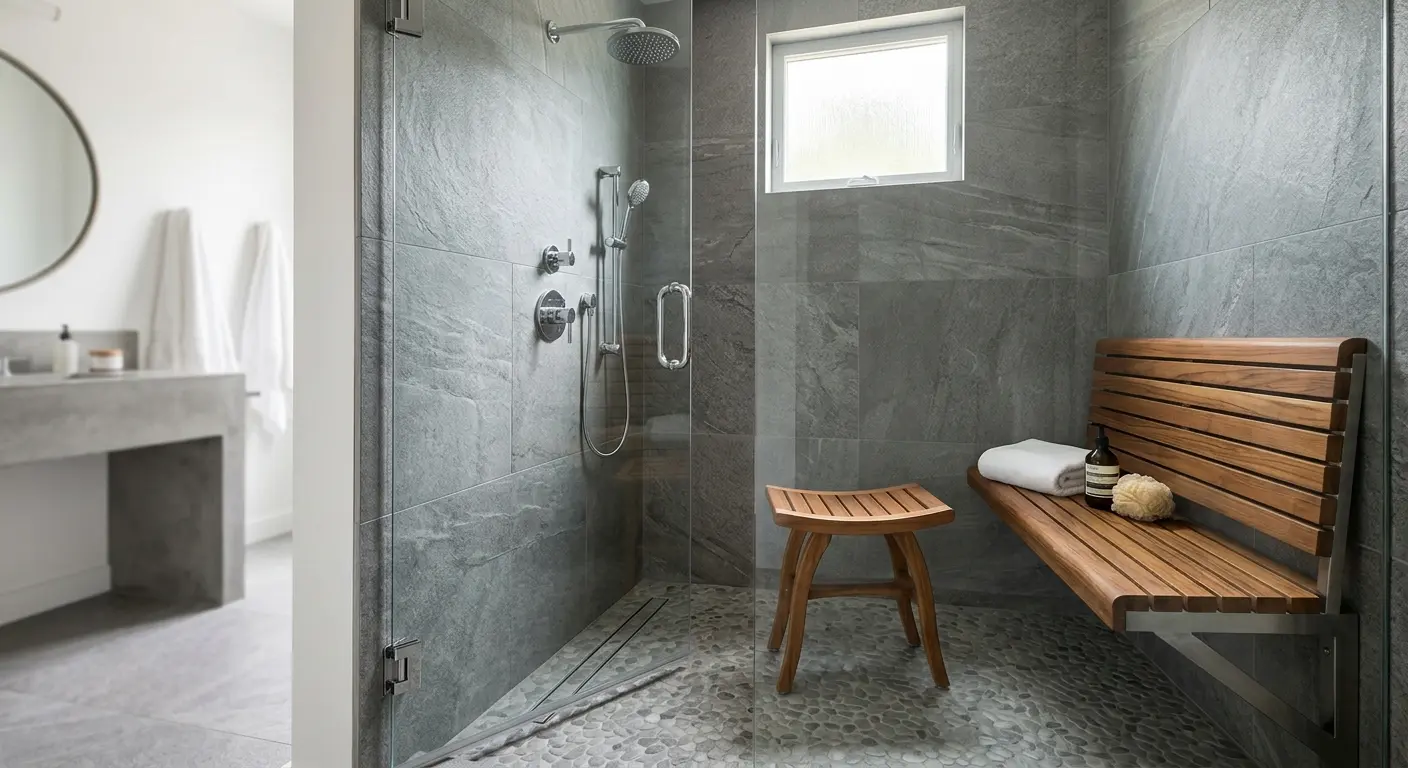
Enjoy comfort with both permanent and adjustable seating configurations.

Walk-in showers help keep you warm since water flows only when you turn on the shower. No need to sit and wait in the tub for it to fill or drain.

Walk-in showers are easy to get in and out of if you have mobility challenges, use a walker or are in a wheelchair. Perfect for small children, elderly and the disabled alike.

It's easy to clean yourself while sitting comfortably on your shower bench. Quickly rinse off soap film and reduce mold and mildew.

Walk-in showers use fewer parts than a regular bathtub or shower, which means there aren't as many parts that can break.

A shower uses 10 to 25 gallons of water, while taking a bath can use up to 70 gallons. You could save a lot on water bills!

A walk-in shower is easy to use and allows for temperature-control and comfort, making it ideal for people with dementia.



Kevin

"They were quick on getting the job done and it looks awesome."
Maurice
"Everything was great. Courteous, attentive and knowledgeable."
Myra
"The guys were super professional but very nice. I would highly recommend this company."
Joe
"They installed 2 days after we signed contract and the installers were nice, fast and cleaned up the house well."
Kelly
"The team that came out was honest, and thorough and focused on safety."
Beth
"The products they use, the lifetime guaranty, seemed to outdo the competition from our experience."

Pricing for a walk-in shower installation can vary quite a bit based on the size of the space and the materials you choose. On average, homeowners spend about $16,800, though projects typically range from $8,400 to $33,600. If you're looking for a budget-friendly option, prefabricated units are much more affordable than custom tile work. Professional labor usually makes up 40% to 60% of the total bill.
While a DIY approach is technically possible, it is rarely a good idea unless you have advanced experience with plumbing and waterproofing. Even a small mistake in the floor slope or a tiny gap in the waterproof membrane can lead to hidden leaks and mold growth. Hiring a licensed contractor usually protects your product warranties and saves you from expensive repairs afterwards.
Contractors generally handle the entire project from start to finish including removing your old tub or shower, moving plumbing and drains, installing waterproofing layers, setting the shower pan, walls, doors, and hardware, handling electrical work for lighting or fans, and adding accessibility features like grab bars and slip-resistant floors.
Once the work actually begins, most standard projects are finished in 1 to 3 days. If you're using a prefabricated system with minimal plumbing changes, a one-day install is often possible. However, if you're going for a custom tile design, moving the drain, or repairing the subfloor, expect it to take closer to 3 to 5 days.
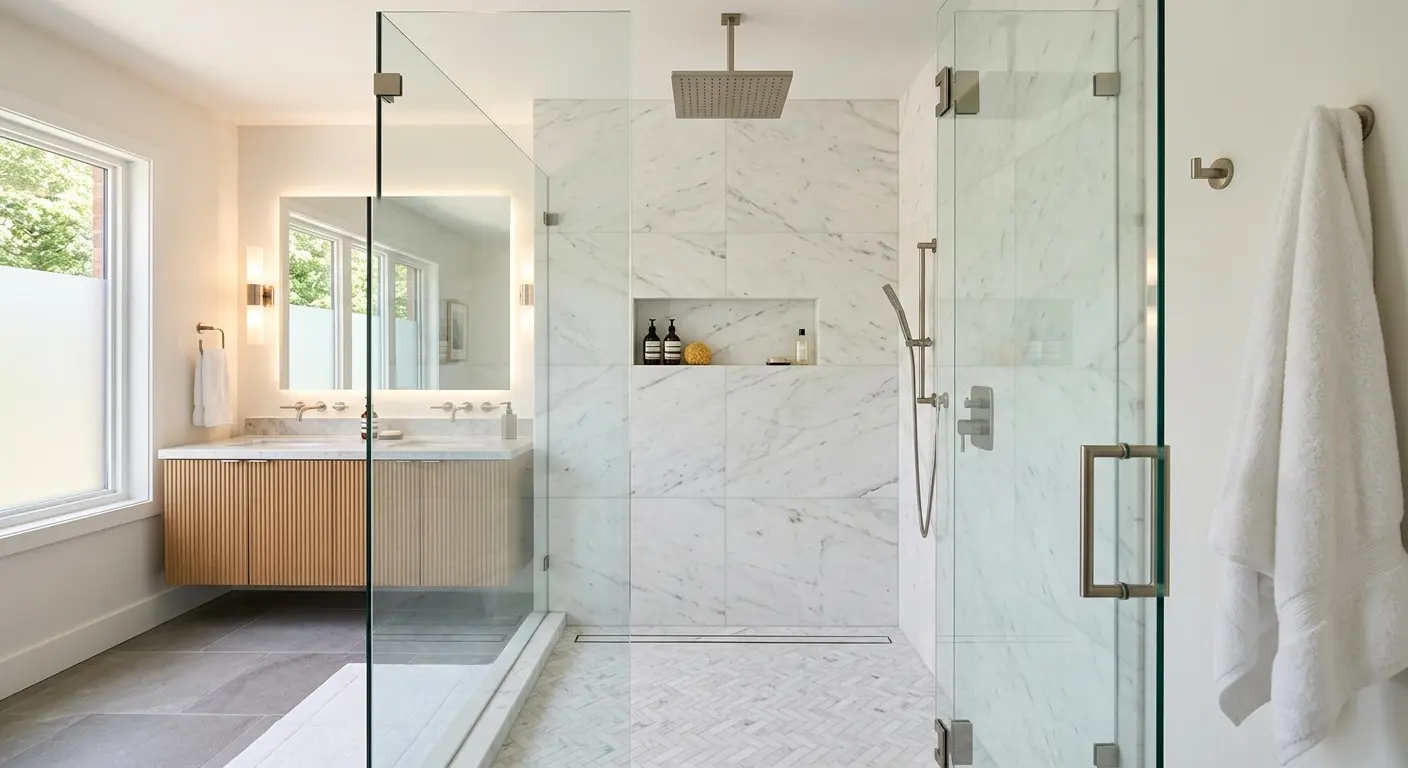
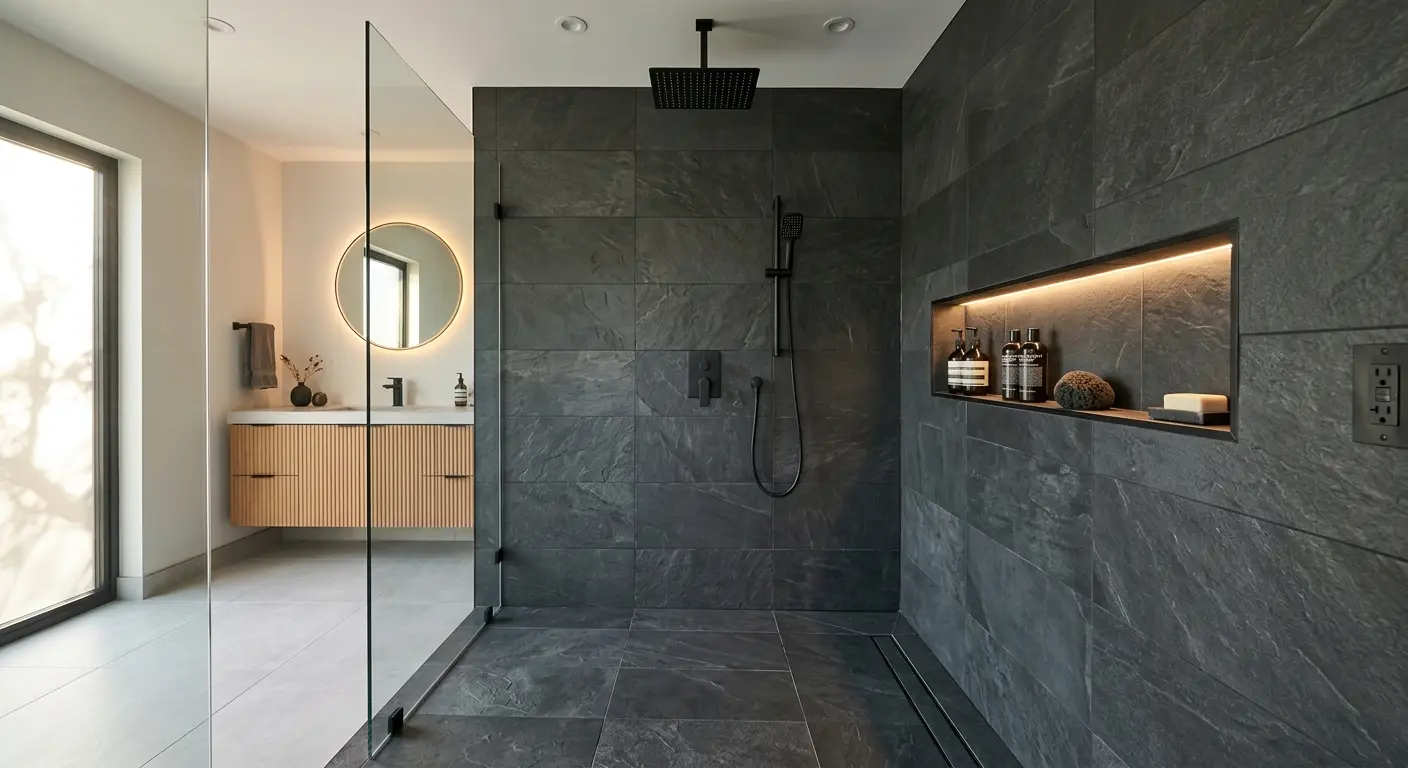
Current trends are all about creating a calm, spa-like retreat. For tile, most homeowners are choosing large-format matte tiles in neutral colors like grey, warm white, and beige. When it comes to fixtures, brushed nickel and matte black are still very popular, though brushed gold and classic chrome are making a comeback.
Yes, a little preparation helps contractors work more efficiently. Clear the path from the entrance to the bathroom, empty the bathroom of all personal items, protect belongings in adjacent rooms, and plan for an outage — you'll likely be without use of that bathroom for the duration of the install.
If replacing a standard bathtub, the most common size is 60" x 30". The minimum code allows 30" x 30", but 36" x 36" is more comfortable. For a bench or extra room, aim for 48" x 36" or larger. For ADA wheelchair-accessible roll-in showers, you'll need at least 60" x 30" plus clear space.
Keep the plumbing where it is — moving drains and showerheads is expensive. Use an acrylic pan instead of custom tile flooring. Go with standard glass door sizes. Focus on just the wet area rather than remodeling the whole bathroom. These strategies can save you hundreds to thousands of dollars.
Squeegee the glass and tile after every use to prevent water spots and soap scum. Reseal grout every 6 to 12 months if you have tile or stone. Avoid harsh chemicals — a vinegar-and-water solution or mild pH-neutral cleaner is usually all you need to keep everything sparkling.
Get matched with top-rated walk-in shower contractors in your area. Free estimates, no obligation.
Get Your Free Quote